The programme
Voters approved the Regulation and Taxation of Marijuana Act through Question 2 in November 2016. Adult-use retail sales began on July 1, 2017, adding a licensed commercial pathway beside a medical program that has operated since 2000.
The Cannabis Compliance Board now regulates the industry. Its framework administers cultivation, production, distribution, retail, testing, packaging, advertising, agent registration, enforcement, and consumption lounges through state statutes and fifteen chapters of cannabis compliance regulations.
NRS Chapters 678A through 678D form the Nevada Cannabis Regulation Act. Together they provide the statutory structure for administration, licensing, medical use, adult use, and the state’s distinctive lounge system.
Buying cannabis
Anyone 21 or older can purchase at a licensed dispensary with valid identification. Identification from any state is accepted, allowing visitors to use the same regulated retail system as residents.
The licensed retailer completes the transaction and supplies current product availability. Presidential operates wholesale, so the store remains the point of sale and the official locator provides the route to participating doors.
Medical patients participate through the medical program and receive an exemption from the 10% retail excise tax applied to adult-use purchases. That exemption creates a meaningful distinction between the medical and adult-use transaction paths.
The official Presidential Nevada locator connects the state framework to current participating retailers.
What adults 21 and older may hold
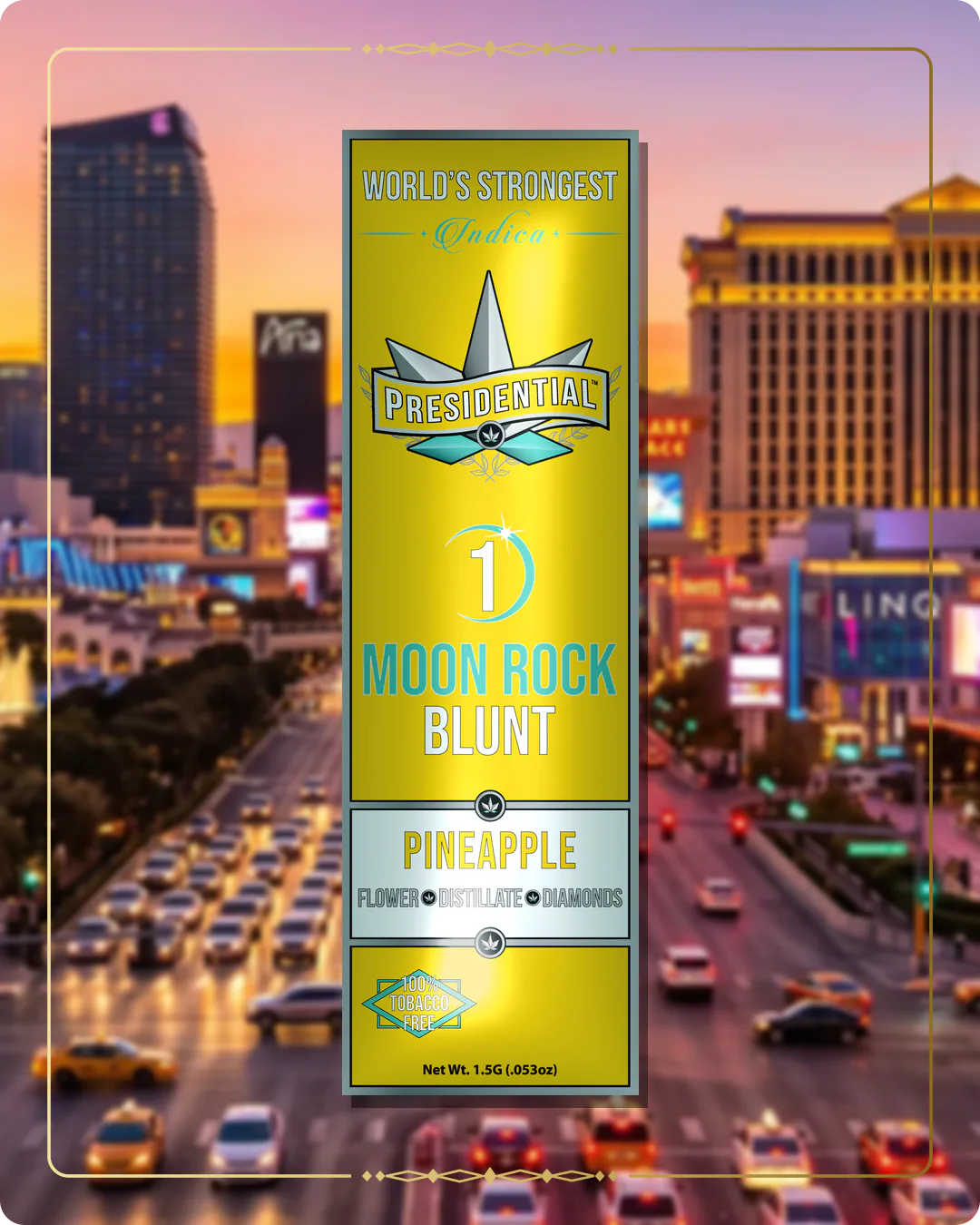
Senate Bill 277 updated the adult-use possession amounts effective January 1, 2024. Adults 21 and older may possess up to 2.5 ounces of cannabis flower and up to one quarter of an ounce—roughly 7 grams—of concentrate.
Governor Joe Lombardo signed the bill in 2023. The current figures replaced the earlier one-ounce framework, giving the state a clear modern limit reflected in Cannabis Compliance Board guidance and retail transaction materials.
Official sources remain the right place for current legal guidance. The source list below links the Board, the governing NRS chapters, and the enrolled bill text supporting these amounts.
The first state to license consumption lounges
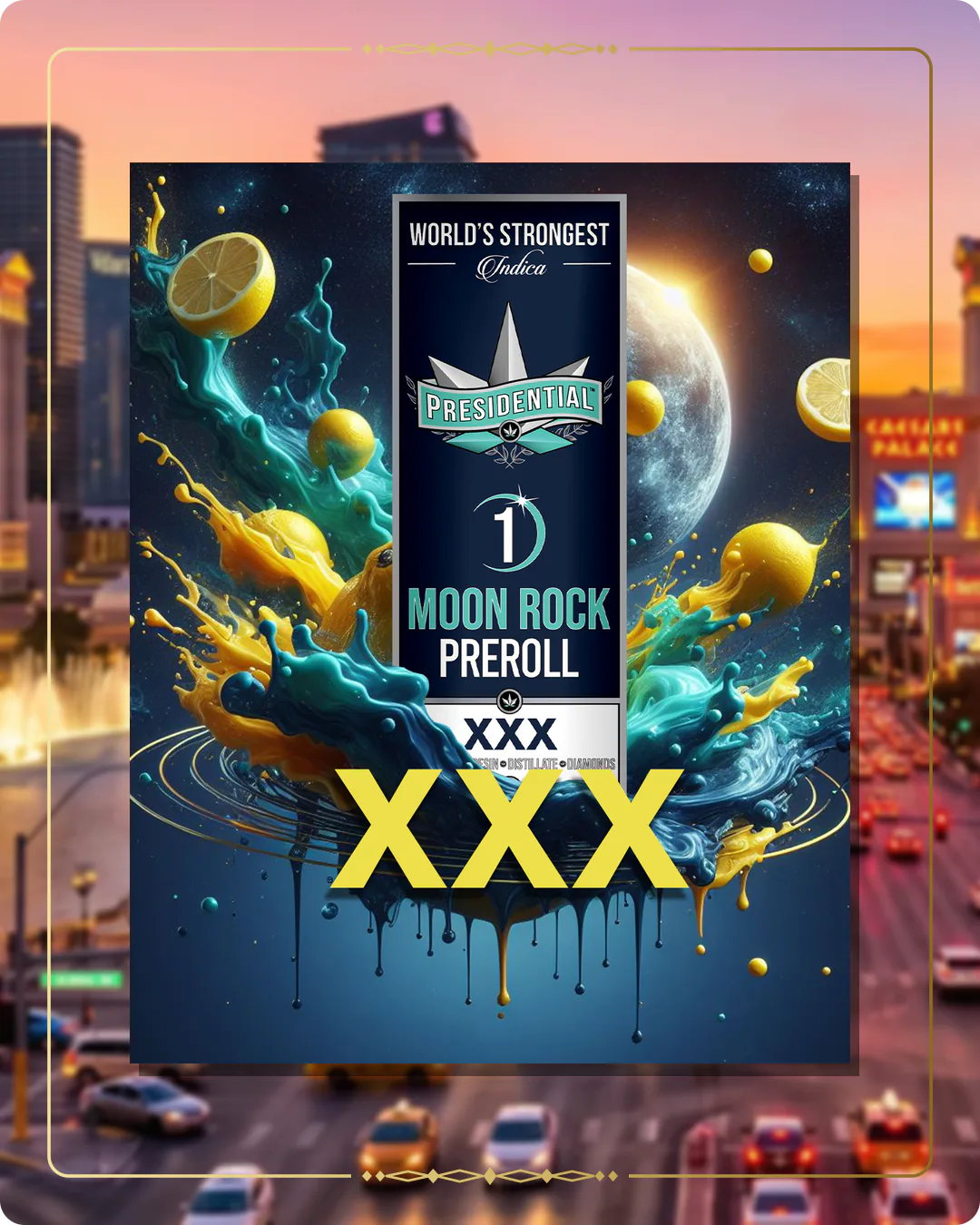
Nevada became the first state in the country to license cannabis consumption lounges. Assembly Bill 341, signed by Governor Steve Sisolak in June 2021, authorized the Cannabis Compliance Board to license and regulate them. The Board approved operating regulations in 2022 and moved into prospective, conditional, and final licensing.
The system creates two license types. Retail-attached lounges sit with or immediately beside a licensed adult-use retail store. Independent lounges stand on their own and obtain regulated products through the licensed supply structure. The two paths allow both an extension of retail and a purpose-built standalone venue.
Lounge design includes advanced ventilation and dedicated operational requirements. The service model is centered on cannabis, with alcohol outside the program and products enjoyed on the premises. Water service, staff procedures, sanitation, and regulated single-use or ready-to-consume products support the on-site experience.
This is the state’s defining cannabis achievement. Nevada built licensed retail, then built the room to enjoy it: a regulated, designed venue in one of the world’s great hospitality markets. It turns consumption into a place-based experience and gives adults a clear purpose-built setting.
The lounge model also reflects the state’s wider talent for staging arrivals. Las Vegas understands atmosphere, circulation, service, and memorable rooms. Licensed lounges bring those disciplines into cannabis under a statewide regulatory framework, giving the market a story few places can tell.
Home cultivation
Residents who live more than 25 miles from the nearest licensed dispensary may cultivate at home. The allowance is six plants per adult and twelve plants per household.
Plants belong in a locked, enclosed space outside public view. Those conditions connect the cultivation pathway to distance from licensed retail and provide a defined household framework for eligible residents.
For most shoppers in the Las Vegas and Reno retail corridors, licensed dispensaries provide the direct path. The live finder can identify participating Presidential doors without publishing a static retailer list.
Where the retail is
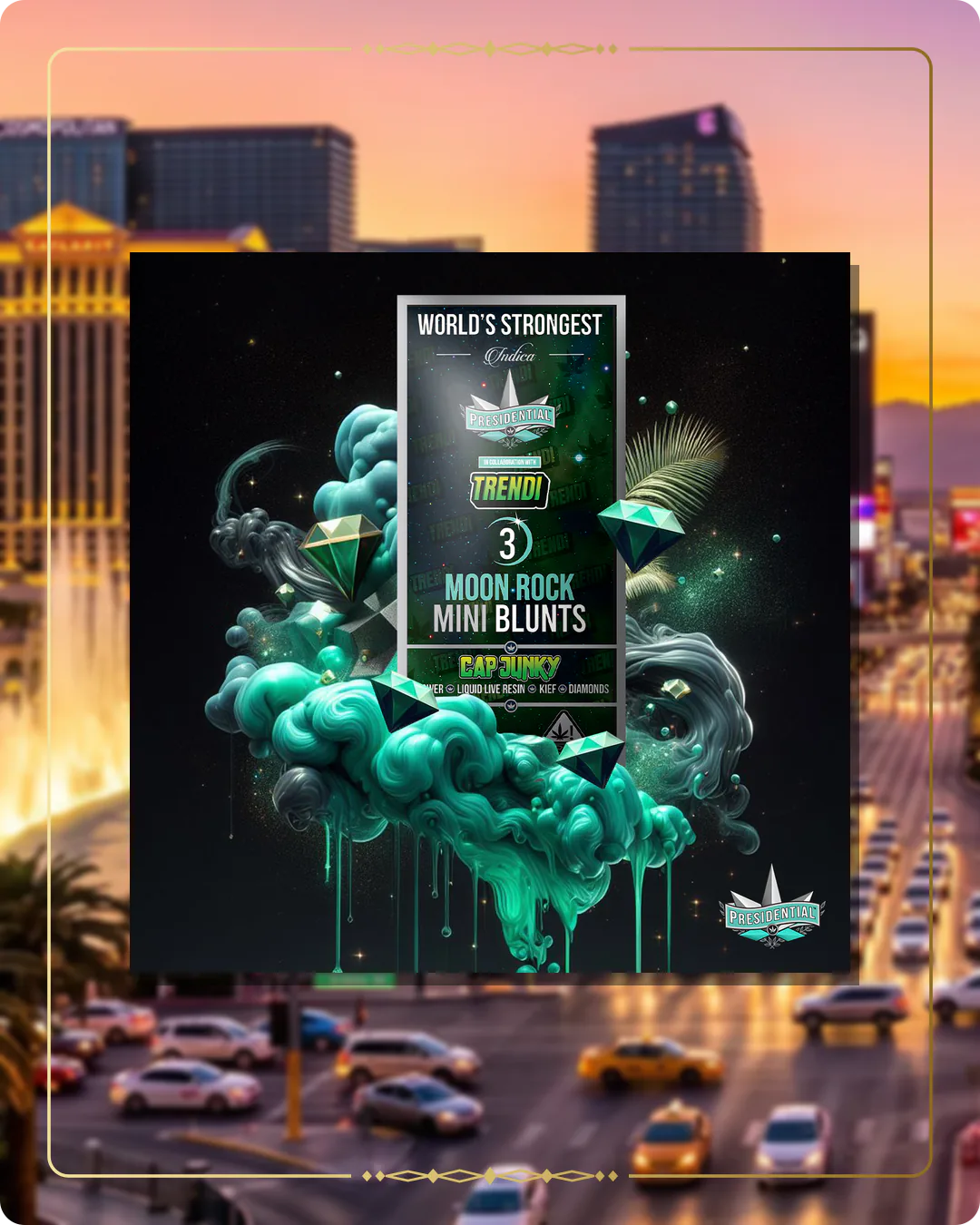
Las Vegas is the state’s largest retail concentration, shaped by residents, hospitality workers, convention traffic, and visitors arriving from across the country. Reno anchors the northern market, while other licensed communities extend access through regional corridors.
The market is built for visitor volume many times the resident base. Identification from any state keeps the regulated transaction path open to those arrivals, and purpose-built lounges add a licensed venue to the broader hospitality landscape.
Presidential participates through around a hundred licensed doors statewide. That presence is high for the state’s population and fits a brand with a Las Vegas co-CEO connection, strong visual packaging, and products designed to remain memorable beyond the trip.
Retail geography and lounge geography together create a distinctive market. Licensed stores provide the statewide purchase path; licensed lounges add purpose-built on-site venues; the visitor economy connects both to hospitality, design, and arrival. Few state programs combine those elements with the same clarity.
The regulatory framework continues to evolve through official statutes, Board regulations, and guidance. This page centers the supplied, verified milestones and current possession amounts, while the linked primary sources provide the durable reference for future updates.
For Presidential customers, the practical sequence is simple: learn the exact product, use the live locator, present valid identification at a licensed retailer, and follow the venue’s current process. Each step has an official source and a clear place in the state’s regulated system.
For retailers, the same framework supports accurate education. Staff can distinguish adult-use and medical transaction paths, use the current possession figures, describe the two lounge license types, and connect every Presidential purchase to licensed inventory rather than a duplicated static list.
The program’s timeline gives the current market useful context. Medical access began years before adult-use sales, Question 2 established the voter-approved adult-use path, the 2017 launch created licensed retail, the 2021 lounge law expanded the hospitality model, and the 2024 possession amounts updated the modern framework.
The two lounge license types express that growth in practical form. Retail-attached venues extend an existing licensed store, while independent venues create a distinct destination supplied through the regulated system. Both bring cannabis service into spaces designed for on-site use.
Ventilation and operational rules make the venue itself part of compliance. The state’s approach treats atmosphere, air handling, staff process, product control, and customer education as connected features of a licensed room. That design-minded regulation is central to the positive lounge story.
For visitors, the result is a legal market with clear official touchpoints: a state regulator, licensed stores, current possession guidance, and purpose-built lounges. For residents, the same framework includes the established medical program and the defined home-cultivation pathway for eligible households.
Together those pathways form one regulated statewide picture.
The official Presidential product catalog provides the exact product source behind every linked package on this site.